
From your learnings with Elf & ORSC/ Relationship Systems Intelligence, in what ways has your expression of love, appreciation or emotional needs shifted?
Denice Ng
How My Expression of Love Has Shifted
Going through ORSC and Relationship Systems Intelligence has been like holding up a mirror to my inner world. I’ve become more aware of my emotional needs—not just the surface-level gestures of love, but the deeper essence of connection and the hope behind my complaints
Valentine’s Day, though undeniably commercial, now feels like an opportunity to pause and consciously express love in ways that go beyond material tokens. I find myself wanting to verbalize appreciation more intentionally, using richer emotional vocabulary to articulate what I feel and mindfully articulate from the 3rd entity position. This shift is about moving from “showing love” through things, to “sharing love” through words and presence.
One practice I’’m going to attempt is writing a heartfelt card. Not just a generic “Happy Valentine’s,” but a note that captures my emotions with depth and clarity. I want to model this in front of my young daughter—letting her see that love can be expressed in many forms, and that words carry power. I imagine explaining to her that Valentine’s Day isn’t only about chocolates or flowers, but about recognizing and celebrating the ways we give and receive love.
This awareness feels like a gift from the course: a reminder that emotional connection is not accidental, but cultivated with intention.
Sheena Ang
As human beings, we are wired for deep connection. This need is as fundamental as our need for food and water. And yet, especially in moments of misalignment, conflict, or tension, we often disconnect from that need without conscious awareness. In those moments, we struggle to find ways to express ourselves fully and so we protect, we defend, and we retreat. As we do this, we often don’t just abandon the needs of those we’re in relationship with, but we abandon parts of ourselves, too.
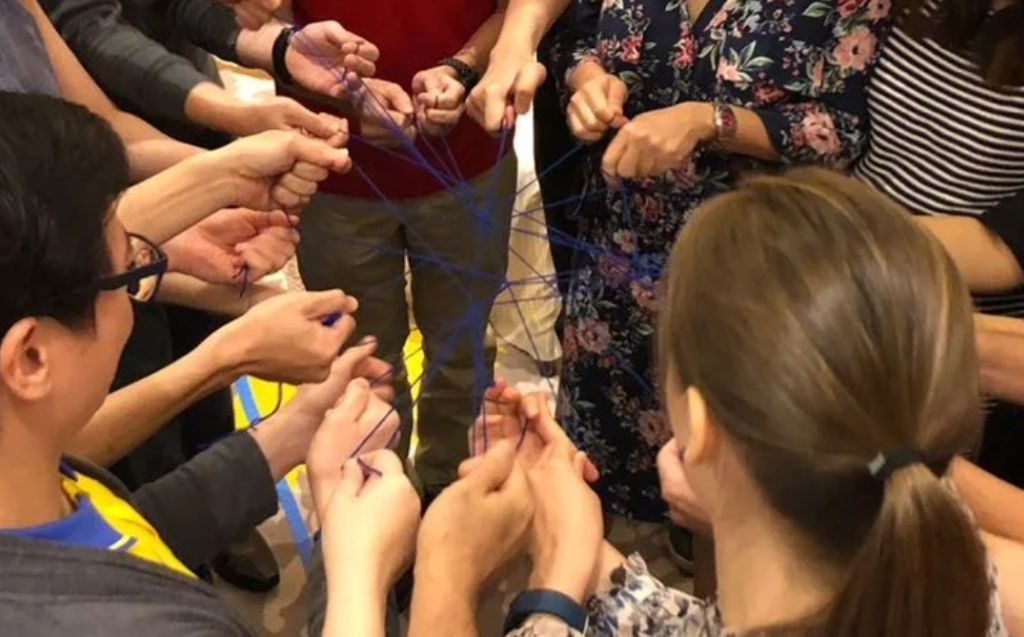
ORSC taught me to see relationships not simply as interactions between individuals, but as living systems with their own voice, needs, and intelligence. That shift alone changed how I respond to tension. Instead of asking only, “What do I need?” or “What do you need?”, I approach relationships with curiosity and ask, “What does this relationship need right now?” or “What do we need for US right now?”.
In my family life especially, ORSC has gifted me a new pair of eyes and ears. It has helped me move beyond habitual ways of seeing and hearing toward a more inclusive and expansive way of being with others and, more profoundly, with myself. I am less reactive and more curious. Less certain and more open. Less focused on being right and more committed to staying connected.
Love, to me now, is not the absence of conflict. It is the willingness to remain in relationship even when it feels uncomfortable and hard. It is the ability to acknowledge and tend to all parts of myself while also acknowledging and tending to all parts of another, with curiosity, compassion and love. It is the deep knowing that connection is never lost – it is often just waiting for us around the corner.
In your opinion, share 1-3 best ways to celebrate Valentine’s Day (Romantic, family friendly, or corporate).
Sheena Ang
Valentine’s Day, at its heart, is an invitation to express love and appreciation more consciously.
For couples, Valentine’s Day can be an opportunity to celebrate not just “me” and “you,” but the relationship itself. Instead of asking what each person wants, consider asking what the relationship needs. If your partnership could speak, what would it say it appreciates about the two of you? What does the relationship long for more of this year? These questions can transform an ordinary dinner into a moment of genuine reconnection.
For families, the day can include a simple ritual of acknowledgment. Around the dinner table, invite each person to share one thing they appreciate about another family member, and one way that person strengthens the family as a whole. Children, especially, learn that love is not only expressed through gifts, but through words, presence, and attention. These small moments cultivate deep emotional connection and nurture relational literacy in ways that ripple far beyond the evening.
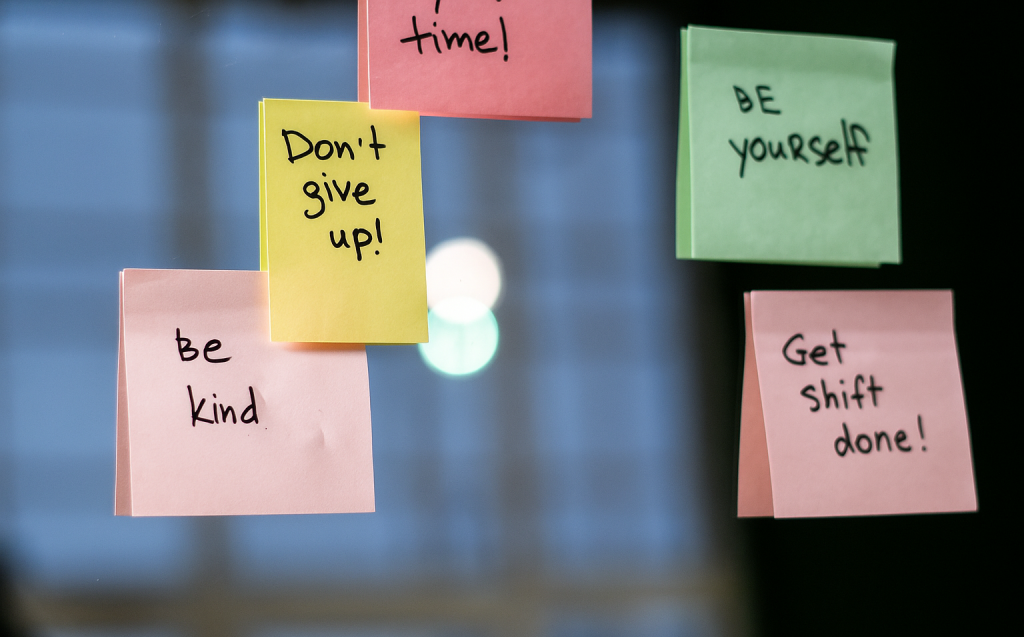
In the workplace, Valentine’s Day is a perfect opportunity to make appreciation visible. A simple appreciation wall where colleagues name qualities they value in their team can spark important and powerful reflections. When people feel seen not only for their output, but for their presence and contribution to the whole, trust and connection deepens. And where there is trust and connection, collaboration flourishes.
Ultimately, Valentine’s Day need not be extravagant to be meaningful. It can simply be a day to pause and turn toward the relationships that sustain us. To say what often goes unsaid in the rush of everyday life, with intention, to nurture the connections that hold us all together.